What if you could capture the soul of an ingredient, its aroma, colour, and texture and hold it still in time?
In the hands of a chef, freeze drying equipment is far more than a preservation tool. It is a creative amplifier a bridge between science and art enabling you to design flavours, shapes, and experiences that simply cannot exist through traditional techniques.
In contemporary gastronomy, the focus has shifted from taste alone to the complete sensory narrative: texture, aroma, visual composition, and the emotional moment at the table. Freeze-drying (lyophilisation) is becoming a key technique in this evolution not as a lab curiosity, but as a culinary language for innovation. It preserves the integrity and character of rare or seasonal ingredients, maintaining their original flavour and structure while unlocking entirely new forms of expression.
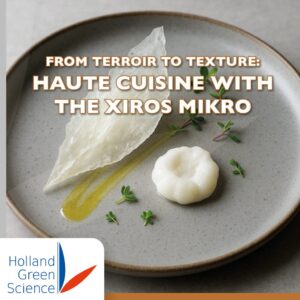
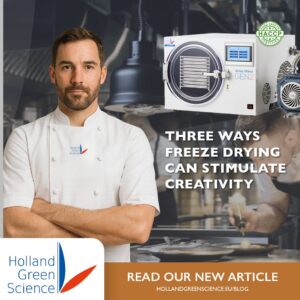
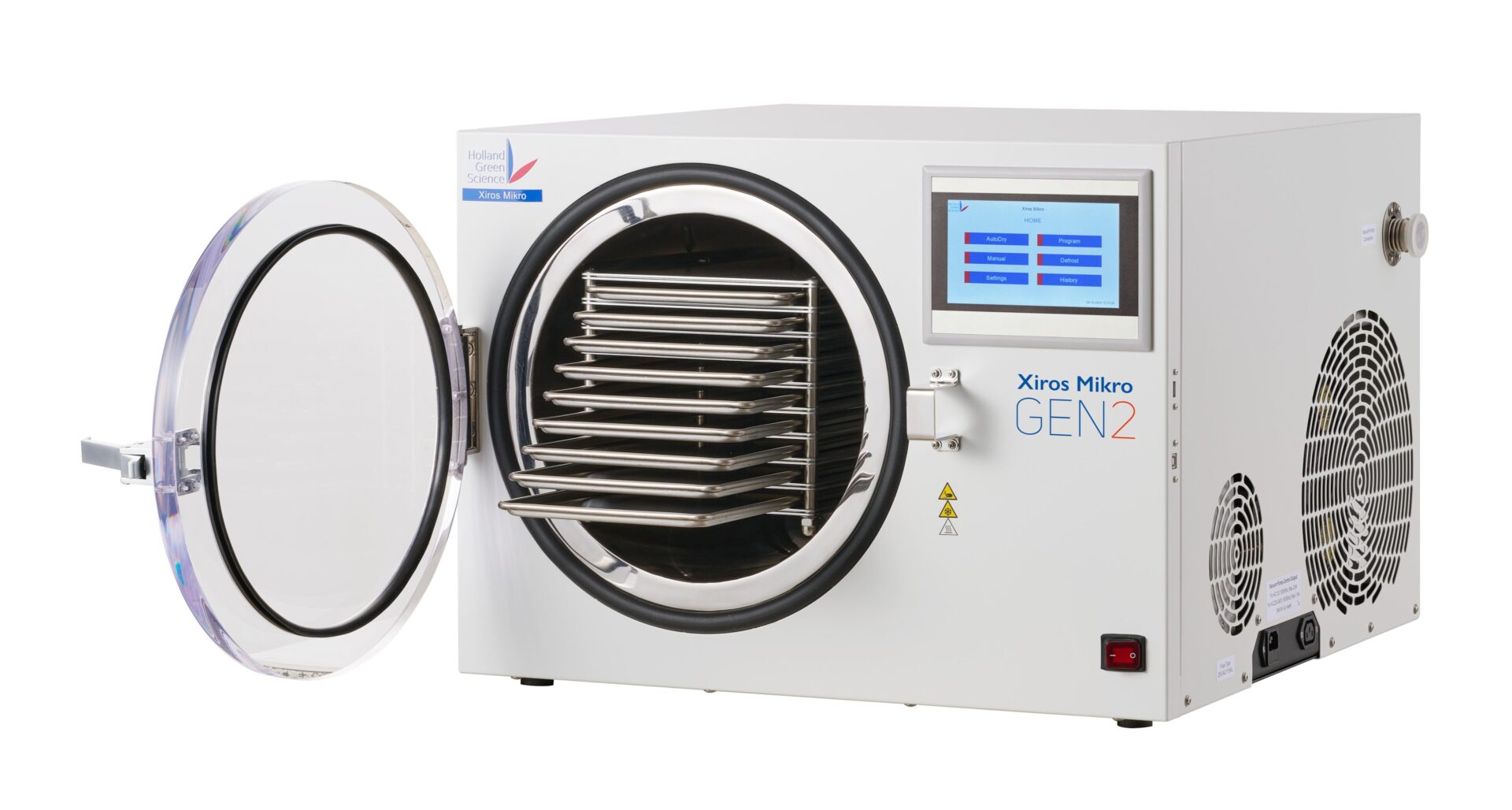
That’s why a flexible, chef-oriented freeze dryer has earned its place beside the Pacojet, the thermal circulator, and the dehydrator not in the lab, but in the creative core of the kitchen. For culinary innovators, a system like the Xiros Mikro GEN2 is not merely a machine; it is a means to transform the kitchen from a place of preparation into a studio for sensory exploration one where ideas can be freeze-dried, rehydrated, and reborn in unexpected ways. The best freeze-drying equipment for chefs must balance small-batch precision with professional durability, ensuring it meets the demands of a high-performance kitchen. Models with corrosion-resistant, food-safe materials are necessary for food-grade environments in freeze-drying equipment. The Xiros Mikro GEN2 is worlds first and only small commercial freeze dryer that has full HACCP certification.
At Holland Green Science Europe, we work closely with chefs, culinary laboratories and R&D kitchens who use freeze-drying to reinterpret ingredients in new and surprising ways. Our freeze-drying equipment has the ability to maintain product quality by removing moisture without exposing ingredients to higher temperatures, thus avoiding the degradation that can occur with traditional drying methods. Chefs use freeze-dried ingredients to improve their recipes and reduce food waste, making this technology a valuable tool for sustainable and innovative culinary practices. Below, we outline three powerful ways in which freeze-drying can help chefs push boundaries followed by two case studies from internationally recognised fine-dining restaurants.
Introduction to Freeze Drying: The Science Behind the Magic
Freeze drying, or lyophilisation, is far more than a method of preservation. It is a culinary transformation process that opens new creative possibilities. By combining ultra-low temperatures with controlled vacuum conditions, water is removed directly from the frozen state through sublimation, allowing the ingredient to retain its natural structure, colour, aroma and nutritional integrity and even increasing shelf life. The freeze-drying process involves three stages: freezing, primary drying through sublimation, and secondary drying to remove residual moisture. This precision-driven technique is what elevates freeze drying into a tool of modern gastronomy rather than a simple preservation technology.
Secondary drying follows, targeting any remaining moisture content to ensure a shelf-stable, dry product. The result is a dry food product that retains its nutritional value, color, and aroma, ready to be rehydrated or enjoyed as is. Freeze drying machinery, from compact kitchen units to large-scale industrial freeze dryers, makes this method an ideal solution for chefs and food producers seeking to maintain the highest quality. The Freeze dried process extends the shelf life of ingredients that are normally fleeting, capturing their peak flavour, colour, and aroma so their full value can be preserved and reimagined long after the season has passed. Well-designed trays maximize heat transfer and ensure uniform drying in freeze-drying equipment, further enhancing the precision and consistency of the process.
1. Flavour Concentration & Textural Innovation
Freeze-drying removes water through sublimation under vacuum, preserving the ingredient’s natural structure while intensifying aroma, flavour and pigment. The result is a distinctive porous texture light, crisp and elegant when dry, or precisely rehydrated when desired. This porous structure, created by freeze drying food, allows for easy rehydration and helps retain both flavor and texture, making it ideal for culinary innovation.
What this offers the chef:
-
- More intense flavour without added weight or volume
- Micro-dosable flavour elements: powders, flakes, crystals, aromatic dusts
- New forms of crunch, melt, crumble and dissolve
Culinary applications:
-
-
- Freeze-dried raspberry, basil, lemon zest or coffee powdered over desserts, mousses or tasting snacks
- Vegetable flakes or herb shards acting as crisp aromatic accents on savoury dishes
- Seasonal ingredients preserved at peak ripeness for year-round use in tasting menus
-
This is flavour as architecture layered with intention.
2. Transformative Presentation & Table-Side Experience
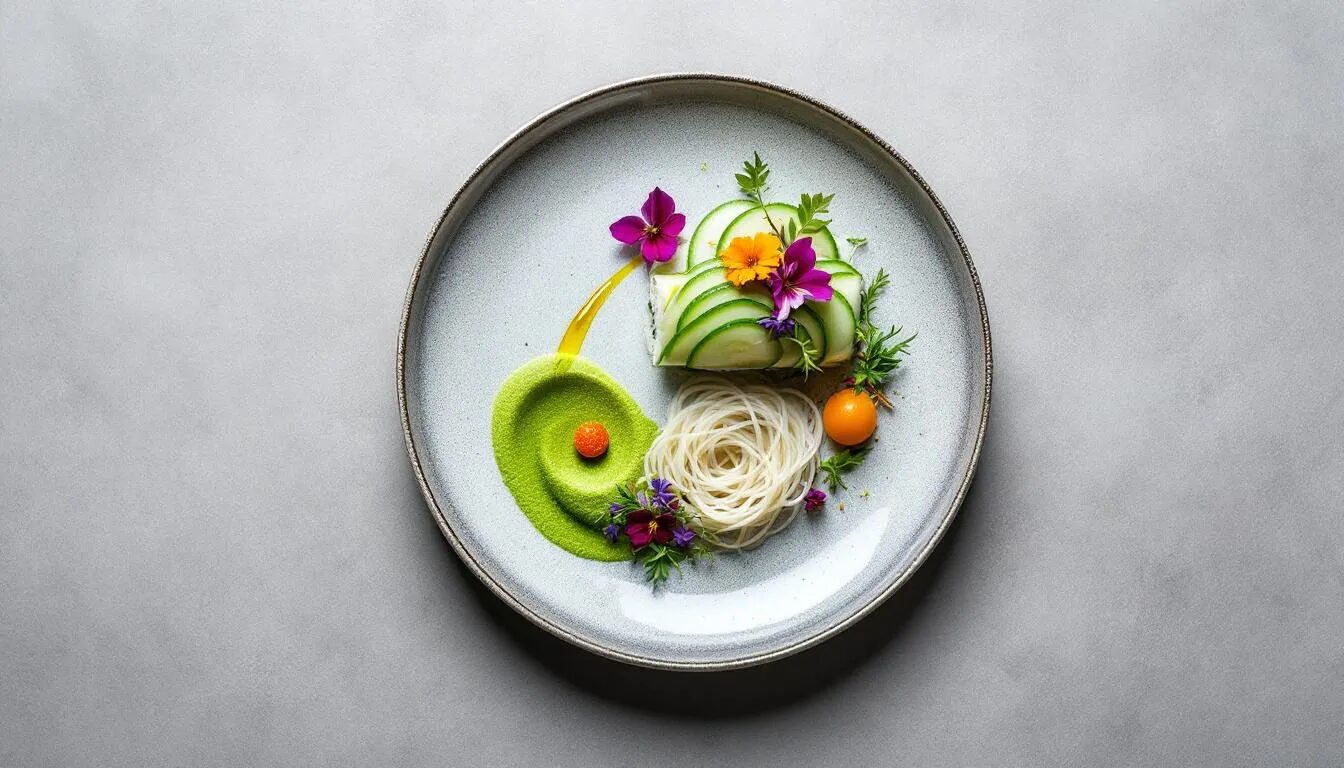
Fine dining thrives on surprise. Freeze-drying allows ingredients to behave differently on the plate or even during service. Light, aerated structures can dissolve, soften, release aroma or change stuctures when they meet heat or moisture.
Creative presentations include:
-
-
- Delicate crisp vegetable, fruit or broth-based chips that retain their original shape and visual appeal
- Snow, dust and powder elements adding depth and visual tension
- Components that activate at the table such as powders that bloom when a warm broth is poured, or freeze-dried elements that restore their shape and stuctures when you add water tableside, enhancing the sensory experience
-
These elements introduce theatre without spectacle, refinement without gimmick.
3. Extending Seasonality & Creating a Personal Flavour Archive
Top restaurants select ingredients at the exact moment their flavour peaks. Freeze-drying makes it possible to capture and preserve that moment without additives and without compromising colour, aroma or structure.
Strategic advantages:
-
-
- Create a personalised, chef-curated flavour archive
- Maintain menu consistency throughout the year
- Work with produce at its absolute seasonal best whenever needed
- Use processed, freeze-dried ingredients with a long shelf life, ensuring top quality and convenience year-round
-
This is not storage. It is controlled flavour memory.
Two Case Studies from the International Fine Dining World that have intergate the freeze drying process
Case 1 @ El Celler de Can Roca (Girona, Spain)
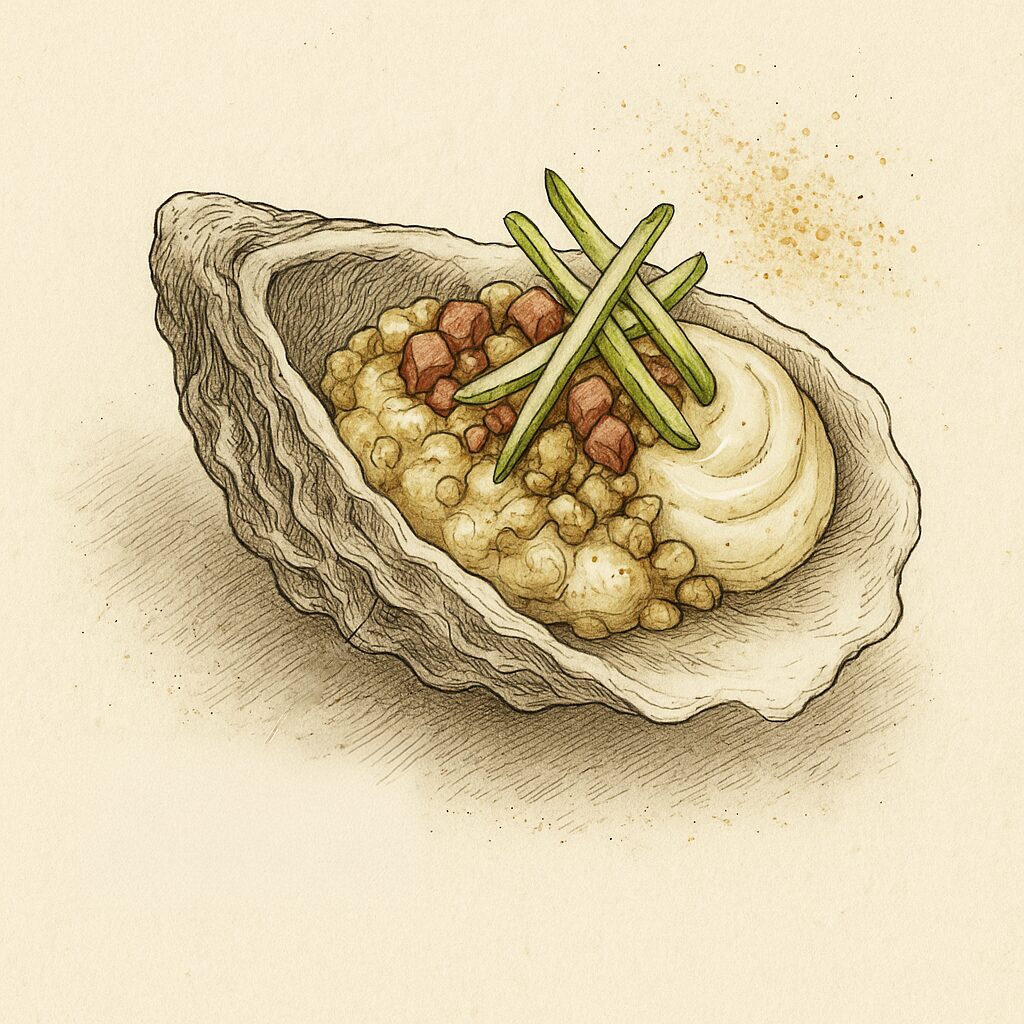
The three-Michelin-star restaurant is renowned for its culinary R&D laboratory, where freeze-drying is a standard part of experimentation.
Dish: Freeze-dried oyster shell with oyster tartare https://x.com/canrocaceller/status/981577740326404096
The shell itself is transformed from inedible vessel to flavour-bearing textural element becoming part of the flavour narrative rather than a backdrop to it. This transformation is achieved by carefully controlling the temperature during the freeze-drying process, which manages the formation of ice crystals within the shell. The size and distribution of these ice crystals, influenced by precise temperature settings, are crucial for preserving the shell’s structure and ensuring the desired texture.
Why this matters:
It demonstrates freeze-drying as a creative medium, not a storage technique.
Case 2 — Hibiscus (London, UK)
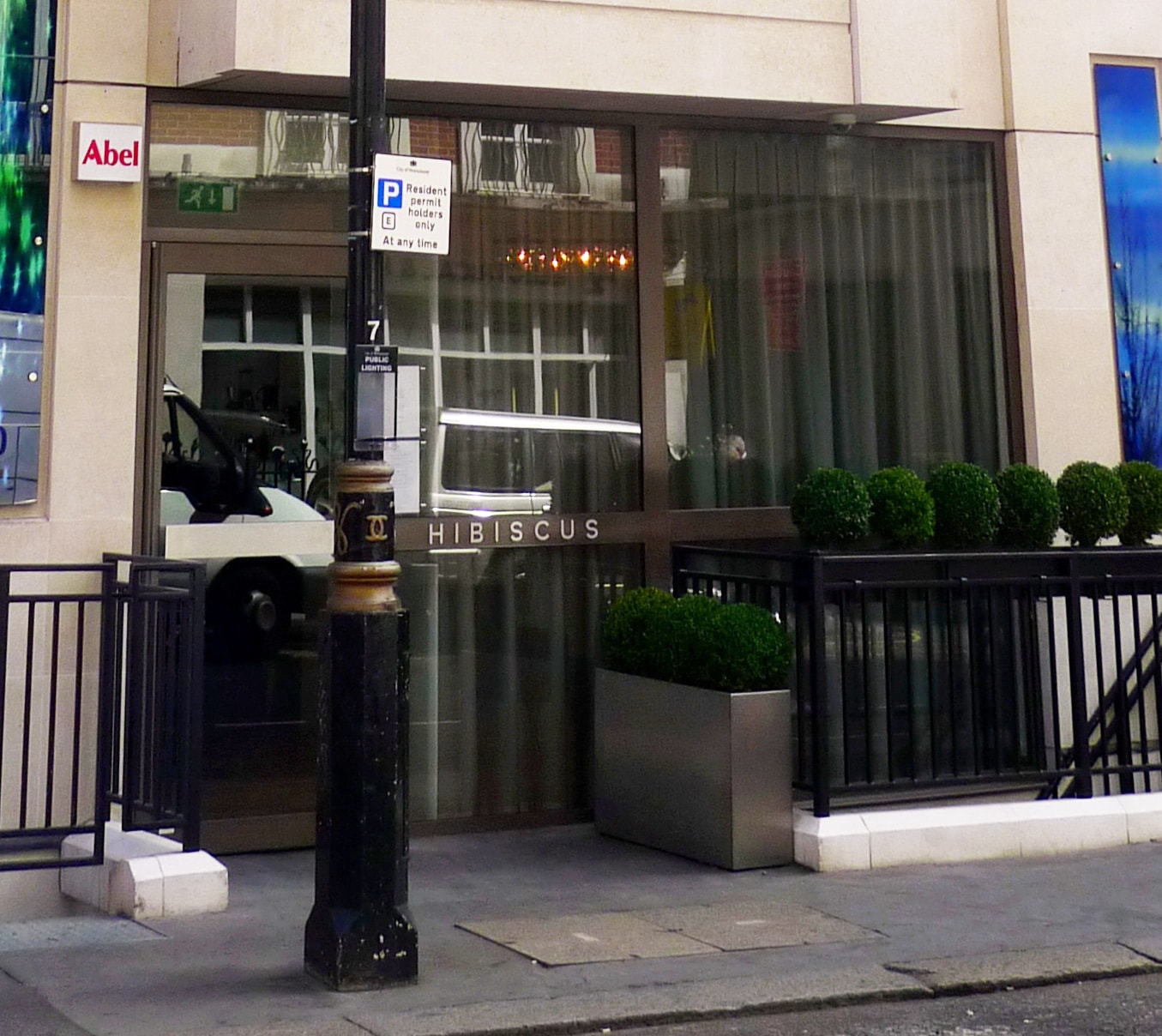
Under chef Claude Bosi, Hibiscus used freeze-drying not for exotic novelty, but to refine the familiar.
Dish: Freeze-dried savoy cabbage folded into a silky purée
By choosing to freeze dry the cabbage, the process helped preserve its delicate enzymes and original taste, ensuring both the functional qualities and flavor were retained. Freeze-drying and powdering the cabbage deepened the flavour and refined the mouthfeel a quiet transformation of an everyday ingredient.
Why this matters:
It shows how freeze-drying can be applied elegantly and meaningfully even to the humblest produce.
Freeze Drying food and Sustainability: Reducing Food Waste, retaining nutritional value and Inspiring New Possibilities
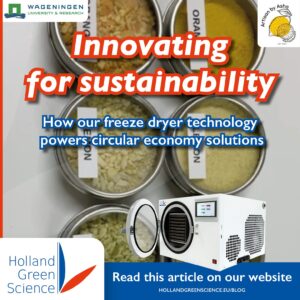
In a world where sustainability is more important than ever, freeze drying stands out as a method that not only preserves food but also helps reduce waste and environmental impact. By removing water from food products, freeze drying creates lightweight, compact foods that are easy to store and transport eliminating the need for constant refrigeration and reducing spoilage. This efficiency is especially valuable for the emtire food industry, where industrial freeze dryers and commercial freeze dryers enable large-scale producers to extend the shelf life of fruits, vegetables, meats, and dairy products without sacrificing nutritional value or quality.
Freeze dried foods, such as freeze dried fruits and vegetables, offer a delicious and healthy alternative to traditional snacks and meals. The freeze drying process locks in nutrients, color, and flavor, making these foods appealing to health-conscious consumers and culinary professionals alike. By embracing freeze drying, the food industry can create high-quality, nutritious products while minimizing food waste and supporting a more sustainable future.
Freeze Drying and Community: Joining the Creative Culinary Movement
Freeze drying is no longer reserved for laboratories and large-scale producers it has become a vibrant movement embraced by home cooks, chefs, and food innovators around the world. With the advent of accessible freeze dryers, including industrial freeze dryers and commercial freeze dryers, culinary enthusiasts are exploring new ways to create unique and flavorful foods. Freeze drying creates lightweight and portable products, which reduces storage costs and facilitates international distribution. From freeze dried meats and vegetables to inventive snacks and delicious freeze dried desserts, the possibilities are endless.
The freeze drying process allows for the preservation of fresh vegetables, fruits, and even complete meals, making it easy to prepare healthy, high-quality foods at home. And even extending the shelf life of your favorite ingredients or dish. Freeze drying helps preserve specialty food items for reuse or sale to the public, offering a practical solution for reducing waste and maximizing the value of ingredients. Online communities are thriving, with members sharing recipes, techniques, and inspiration for using freeze drying machinery. Whether you’re crafting gourmet soups, experimenting with new textures, or simply preserving the bounty of your garden, freeze drying invites you to join a creative culinary movement one that celebrates innovation, quality, and the joy of sharing food.
Conclusion
Freeze-drying opens three creative dimensions for the modern kitchen:
|
Creative Impact |
Culinary Value |
Result |
|---|---|---|
|
Flavour Concentration |
Purity & depth |
Intensified aroma profile |
|
Textural Innovation |
Element of surprise |
Lightness, contrast & refinement |
|
Seasonal Extension |
Consistency & identity |
A true culinary signature |
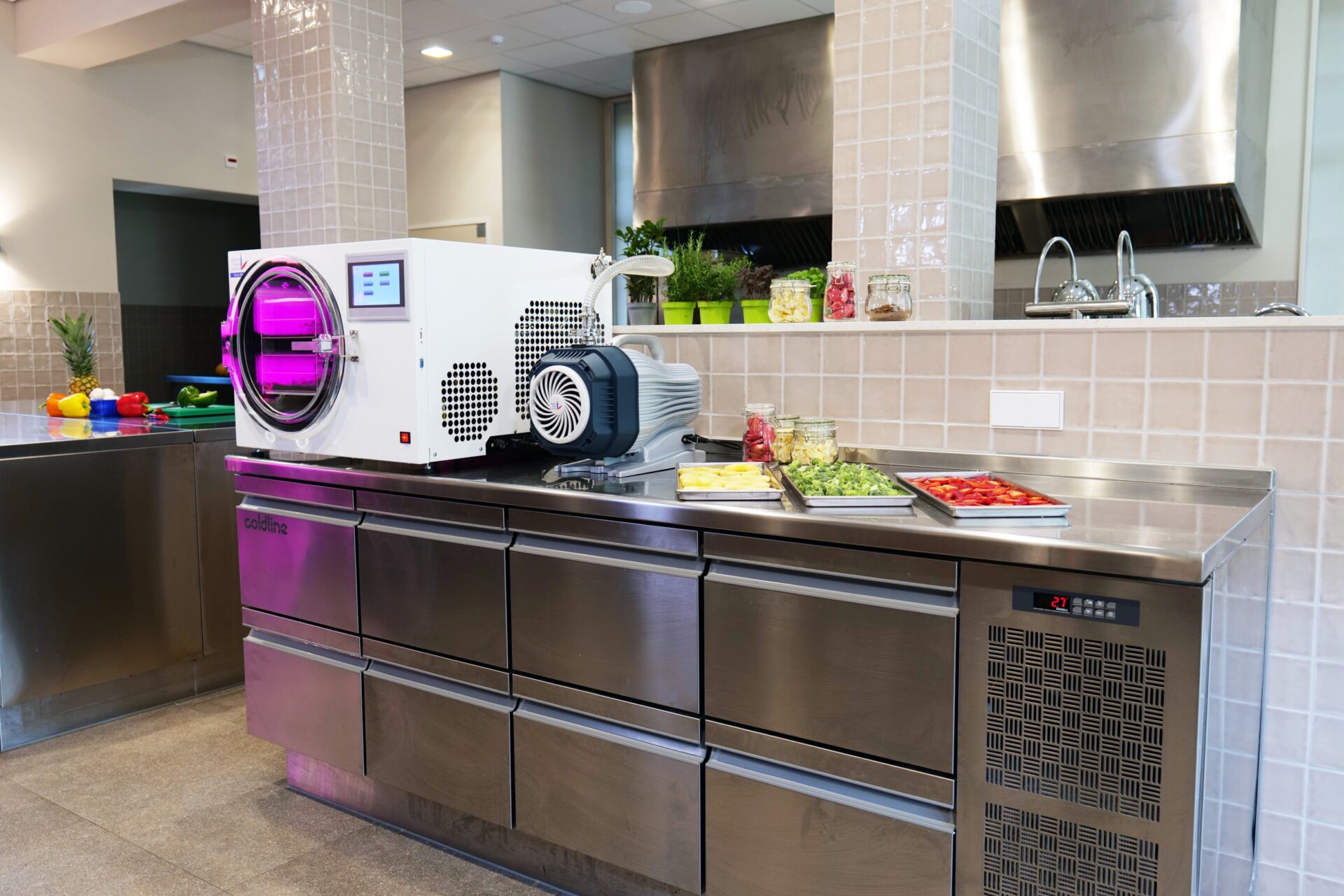
Modern freeze drying equipment like the Xiros Mikro GEN2 from Holland Green Science is designed for high efficiency and manageable operating costs, making freeze drying accessible for creative kitchens. Xiros Mikro GEN2 units feature fully automated systems that allow operation with minimal training, further simplifying the integration of this technology into professional and experimental culinary spaces.
For haute cuisine, freeze-drying is not a trend it is progression.
An Invitation
Holland Green Science Europe supports fine-dining kitchens and culinary R&D teams with:
-
-
- HACCP certified freeze drying equipment designed specifically for chef R&D kitchens, featuring advanced freeze dryer technology and vacuum pump systems
- Compact, kitchen-scale freeze-drying systems
- Additional complimentary equipment designed for streamlining your freeze drying processes
- Process and technique guidance
- Training and workflow integration
-
A conversation can begin with a single question:
Which ingredient in your kitchen deserves a new life?
We would be delighted to explore it with you.
Sales: +316 434 981 56
saleseurope@hollandgreenscience.com