Every day in Europe, good food never reaches a plate. Crops stay on the field. Perfectly fine vegetables are rejected. Processors sit on pallets of surplus because demand shifted overnight.
In the Netherlands alone, we still waste roughly a fifth of all food produced, even though waste has dropped in recent years and the national goal is to halve food waste by 2030 Samen Tegen Voedselverspilling. A significant portion of this food waste occurs at the consumer level, including households, retail, and hospitality sectors. Current trends in food loss and waste indicate that if these patterns continue, the problem will worsen significantly by 2050, making it crucial to address these trends now for future sustainability.
At the same time, a new generation of entrepreneurs is turning “waste” into products with real value. Think of initiatives like No Waste Army in the Netherlands and Waste Warriors in Belgium, who collect rejected vegetables and fruit and turn them into shelf-stable products and food boxes.(No Waste Army)
These organisations all face the same hard question:
How do we turn irregular, seasonal, sometimes messy streams of crops into stable, safe, high-quality ingredients without needing a huge factory line?
That is where freeze-drying, and the Xiros Mikro GEN2, can play a quiet but powerful role.
Turning surplus crops into stable ingredients
If you work with residual streams from agriculture and horticulture, you know the pattern:
- a grower calls with 20 pallets of carrots that are “too small”
- a batch of pears is slightly bruised but still full of flavour
- a bumper harvest of herbs or berries is coming in, and you can’t process it all fresh
If you do nothing, that value disappears. Some of it may go to animal feed or compost. Some is simply lost. By planning, prepping, and storing food efficiently, we can waste less food.
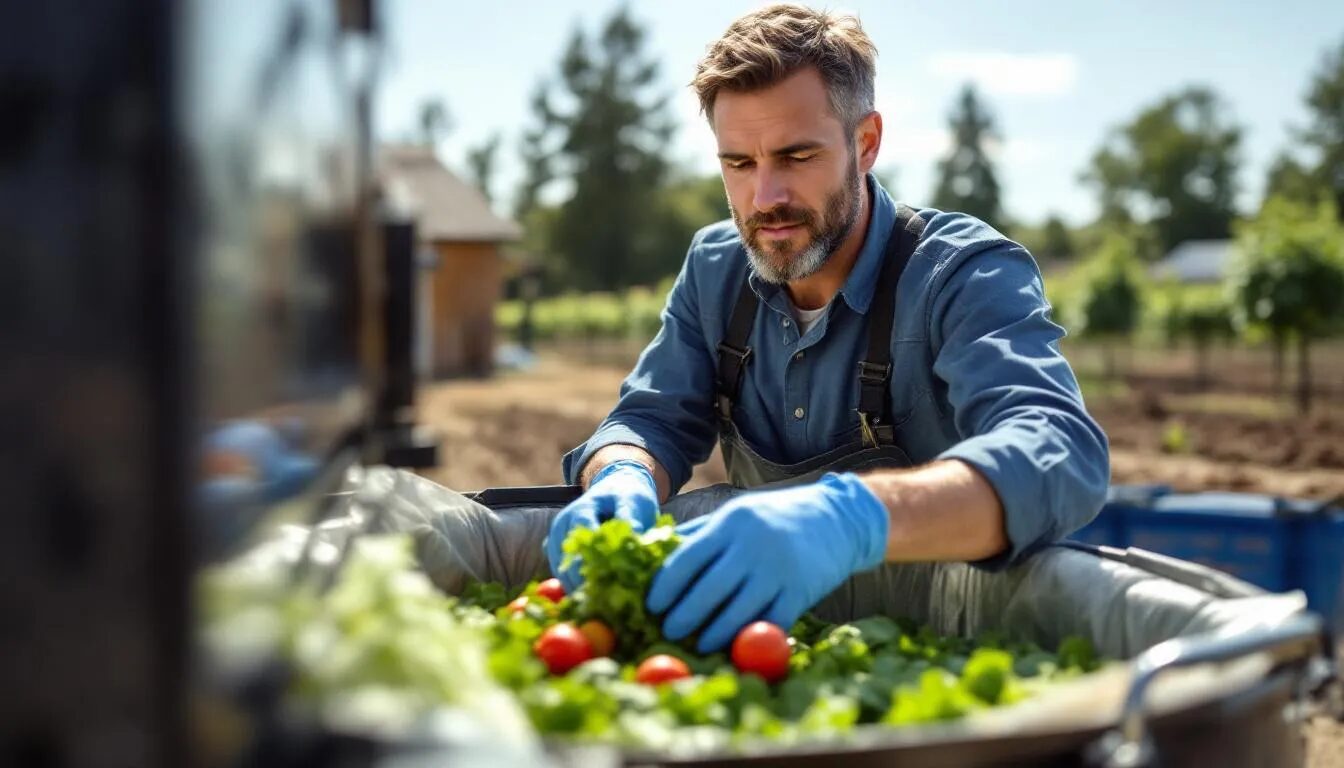
Organisations like No Waste Army collect rejected vegetables and fruit and turn them into sauces, soups and other longer-life products, often in box concepts for consumers.(No Waste Army) Waste Warriors rescues crooked or “imperfect” produce and reworks it into long-shelf-life foods for food boxes and food banks.(WasteWarriors)
The question is not just how to save these streams, but how to shape them into ingredients that are:
- Safe and stable
- Easy to transport and store
- Flexible in use
- Still high in flavour and nutrition
Reducing food waste is more about optimizing and efficiently utilizing existing food supplies rather than simply producing more food.
Freeze-drying is one of the tools that makes this possible. Freeze-drying can significantly extend the shelf life of products to up to 30 years. Proper food storage techniques, such as temperature control and freezer use, are also essential to keep food fresh longer and reduce waste.
What freeze-drying adds to your toolbox
Freeze-drying removes water from food at low temperature and low pressure. You keep structure, colour, flavour and nutritional value far better than with many other drying methods.
For circular food projects, that means you can:
- turn vegetable trimmings into powders for soups, sauces or snacks
- make berry or fruit crisps from downgraded fruit
- create herb granules from surplus herbs that would usually wilt in storage
- extend shelf life without adding preservatives
- prevent household food waste by properly storing food, including using correct storage techniques to keep ingredients fresh and usable for longer
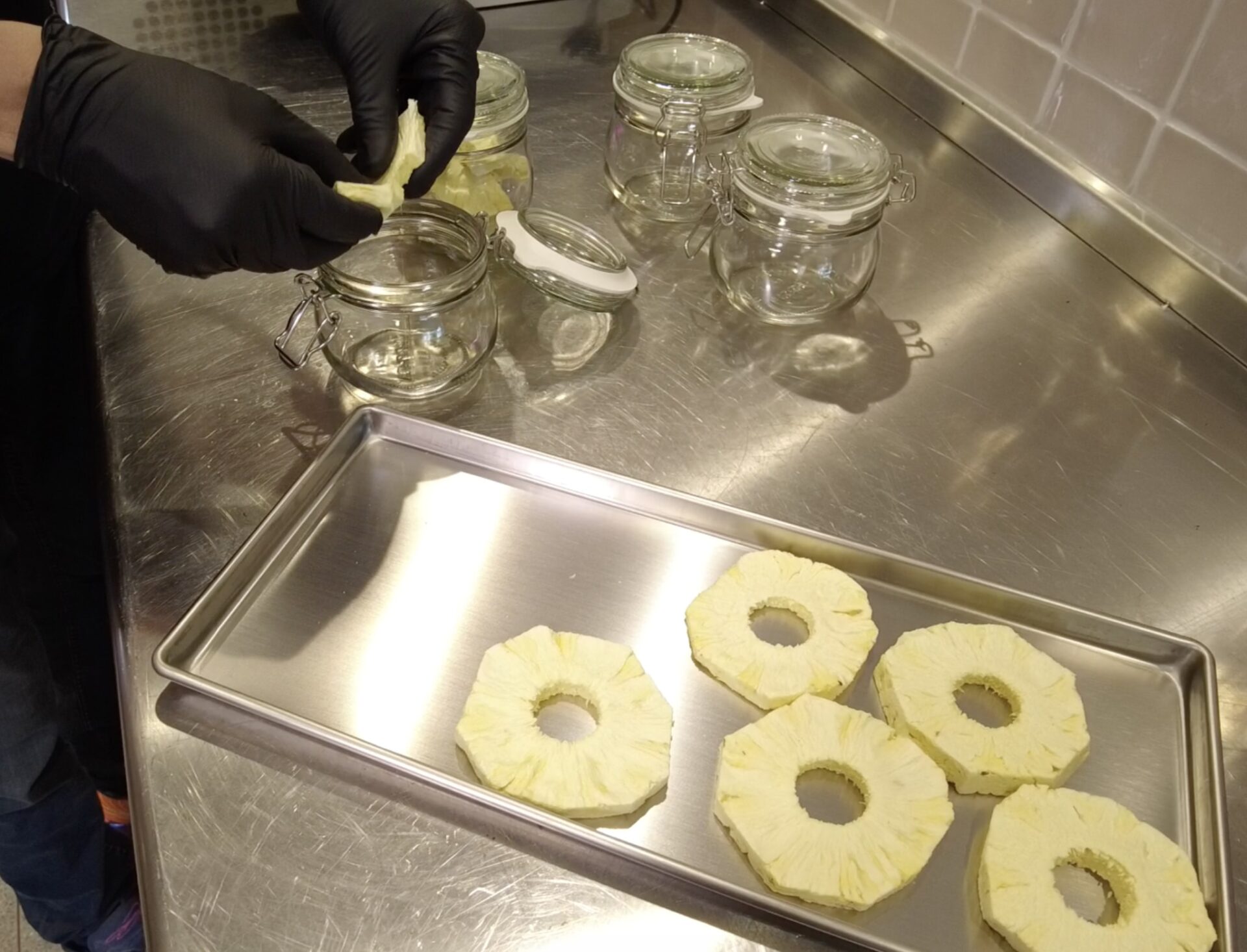
And because the final product is light and dry, it stores and ships efficiently. That matters when you are moving product between growers, social enterprises, hubs and retailers. Learning how to store food properly is essential to prevent waste at home and in communities.
Freeze-drying is not magic. Freeze-drying technology helps in reducing waste by extending food shelf life and minimizing environmental impact. and contributes as one of the tools in the toolbox to prevent waste. But to be fare it is a multi-tool, there is so much you can do with freeze-drying, it can really add value to a basic product.
If your sourcing is chaotic, your product concept unclear or your market not ready, a freeze dryer will not fix that. But if you already have access to residual streams and ideas for value-added products, it can be the missing link that turns those ideas into something real.
Standardizing and clarifying date labels can also help reduce food waste by making it easier for consumers and retailers to understand food safety and quality. From a misshapen potato to high-quality potato powder. The potato powder is dry, lightweight and makes a long-lasting mashed potato base.
Understanding the freeze-drying process
Freeze-drying, or lyophilization, is a sophisticated preservation method widely used in the pharmaceutical industry and beyond. At its core, the freeze drying process is designed to remove water from sensitive products such as pharmaceuticals, biological materials, and high-value foods while maintaining their structure, potency, and activity. This is especially crucial for pharmaceutical companies, where product safety, long term stability, and precise control over formulation development are non-negotiable.
The process unfolds in three main stages. First, the product is frozen, locking its structure and active components in place. Next comes primary drying, where the pressure is reduced and heat is gently applied, causing the ice within the product to sublimate transforming directly from a solid to a vapor without passing through the liquid phase. This unique aspect of freeze drying is what sets it apart from conventional drying methods, as it preserves the physical form and sensitive properties of the material. Finally, secondary drying removes any remaining bound water molecules, ensuring the product is thoroughly dry and stable for long term storage.
For pharmaceutical manufacturing, this process is vital. It allows for the safe storage and transportation of sensitive products like blood plasma, vaccines, and biopharmaceutical products, all while adhering to good manufacturing practice (GMP) standards. The freeze drying process not only extends shelf life but also ensures that products retain their efficacy and quality throughout the supply chain, from production to end use. This makes freeze drying an indispensable tool for both the pharmaceutical industry and any sector where product quality and stability are paramount.
Meet the Xiros Mikro GEN2: flexible by design
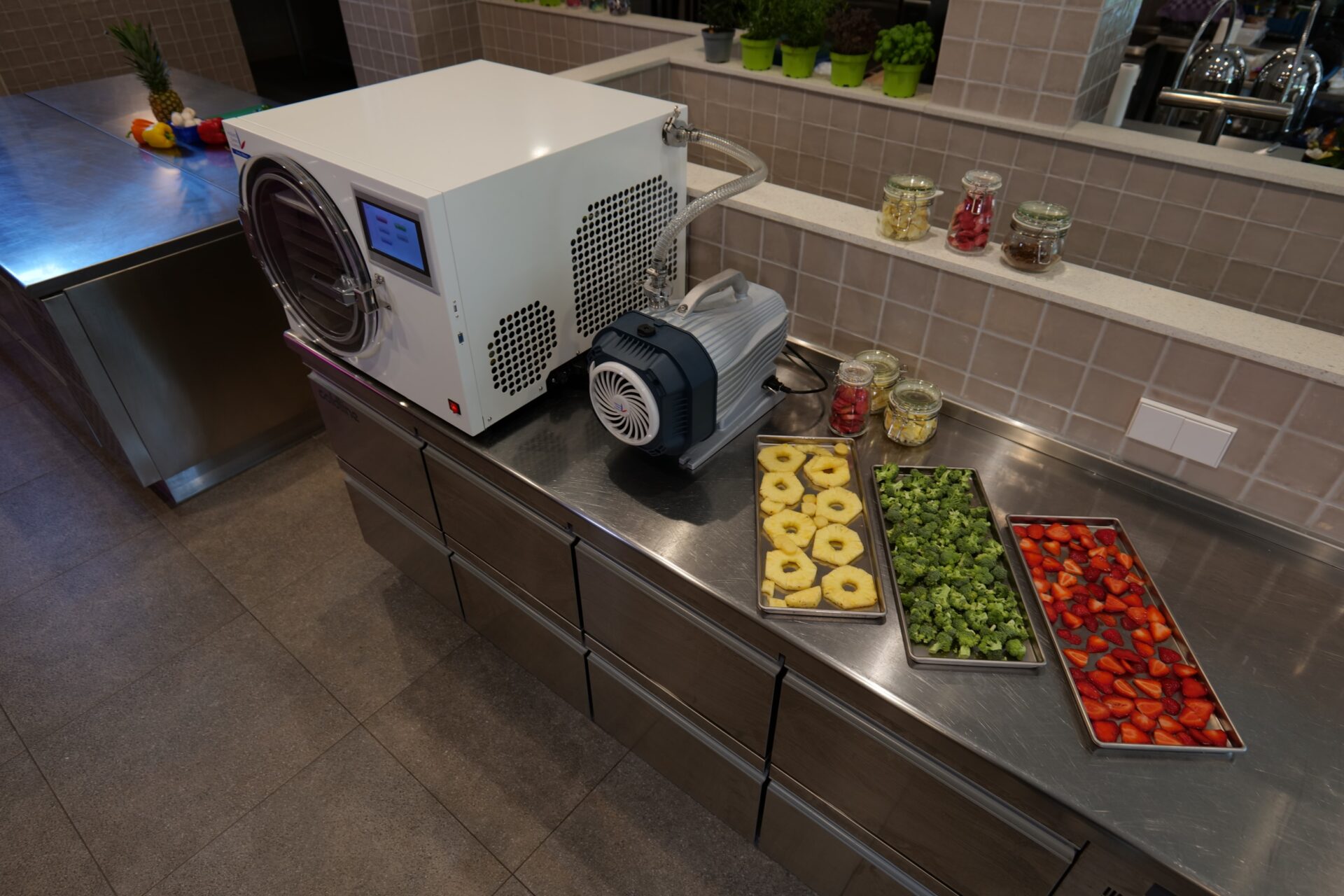
The Xiros Mikro GEN2 is a compact freeze dryer built for experimentation and smart scaling.
It is not a huge industrial line. And that is on purpose.
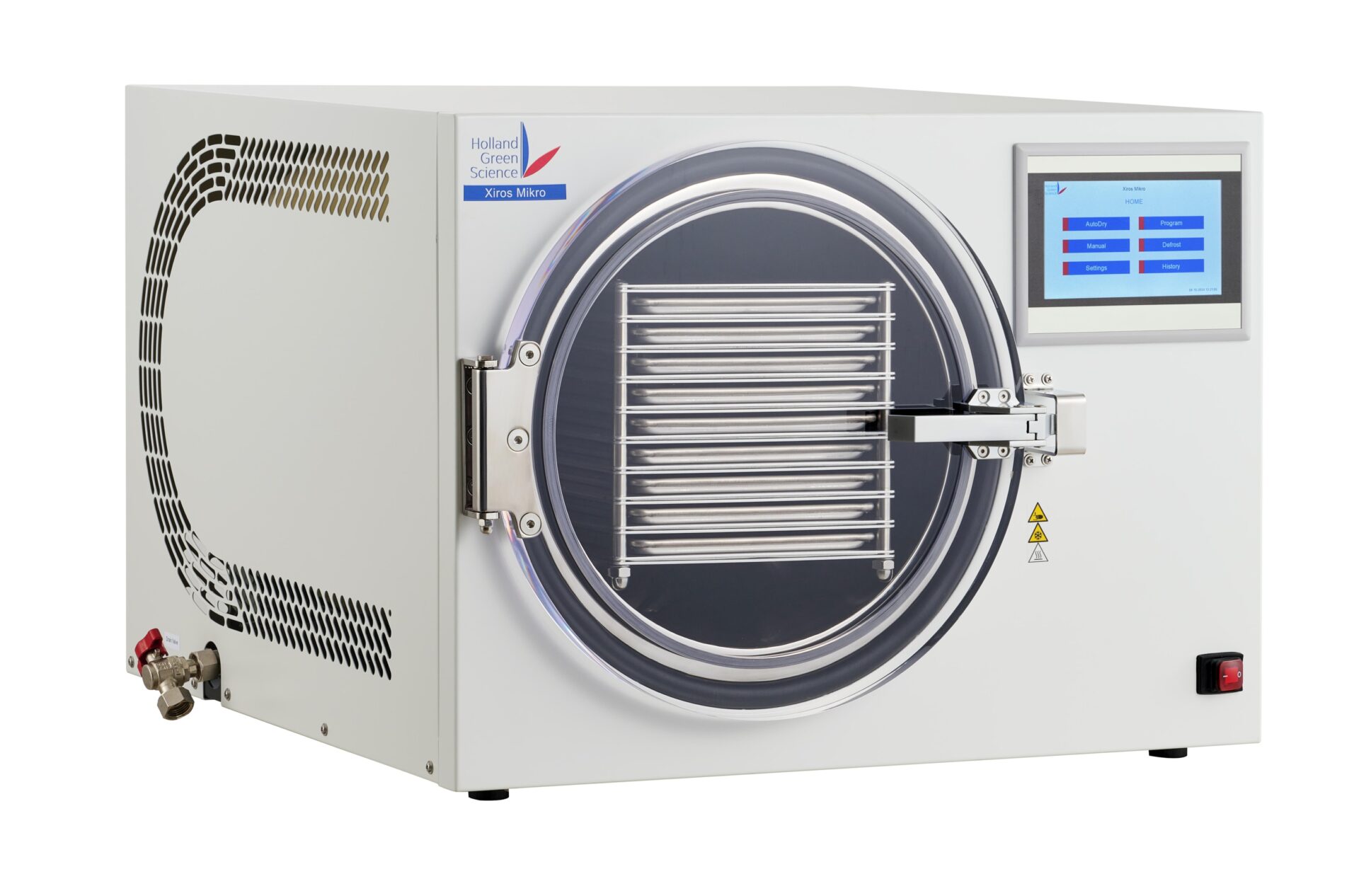
Instead of one massive system, you work with manageable batches.
You can:
- Test new recipes in small runs
- Adapt cycle parameters to each crop or recipe
- Learn quickly from one batch to the next
- Add extra units when your concept proves itself
For organisations working with residual streams, this approach has clear advantages:
- Deal with variation – one week it’s parsnip, the next week it’s pumpkin, then it’s herbs; you can tune the process without re-engineering a whole factory
- Spread risk – if one batch fails, you lose a manageable volume, not an entire day of production
- Scale step by step – start with one Xiros Mikro, then build a “line” of multiple units as volumes grow. And stay flexible (when demant is low, just use less machines.
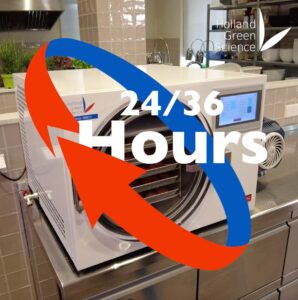
- Reduce energy use – freeze-dried products require less energy during transportation, storage, and refrigeration, supporting sustainability initiatives. And the Xiros Mikro is very efficient with its use of engery is about 19 Kwh per 24h, thats for the whole system including the vacuum pump.
You are not locked into one product or one process.
You keep control.
Using freeze-drying technology like the Xiros Mikro GEN2 also reduces environmental impact by lowering carbon footprints and minimizing resource consumption throughout the supply chain. This process helps reduce emissions by decreasing energy consumption during transportation and storage.
In short, the Xiros Mikro GEN2 is a tool for culinary and product imagination, not just a preservation machine.
Organizations can also realize significant financial benefits by implementing food waste reduction strategies with the Xiros Mikro GEN2, leading to cost savings and improved economic outcomes.
How small and mid-sized organisations can use it
Freeze-drying becomes interesting the moment you start asking a simple question:
“What else could this crop become?”
For smaller and mid-sized organisations working with surplus or rejected produce, the Xiros Mikro GEN2 turns that question into practical options.
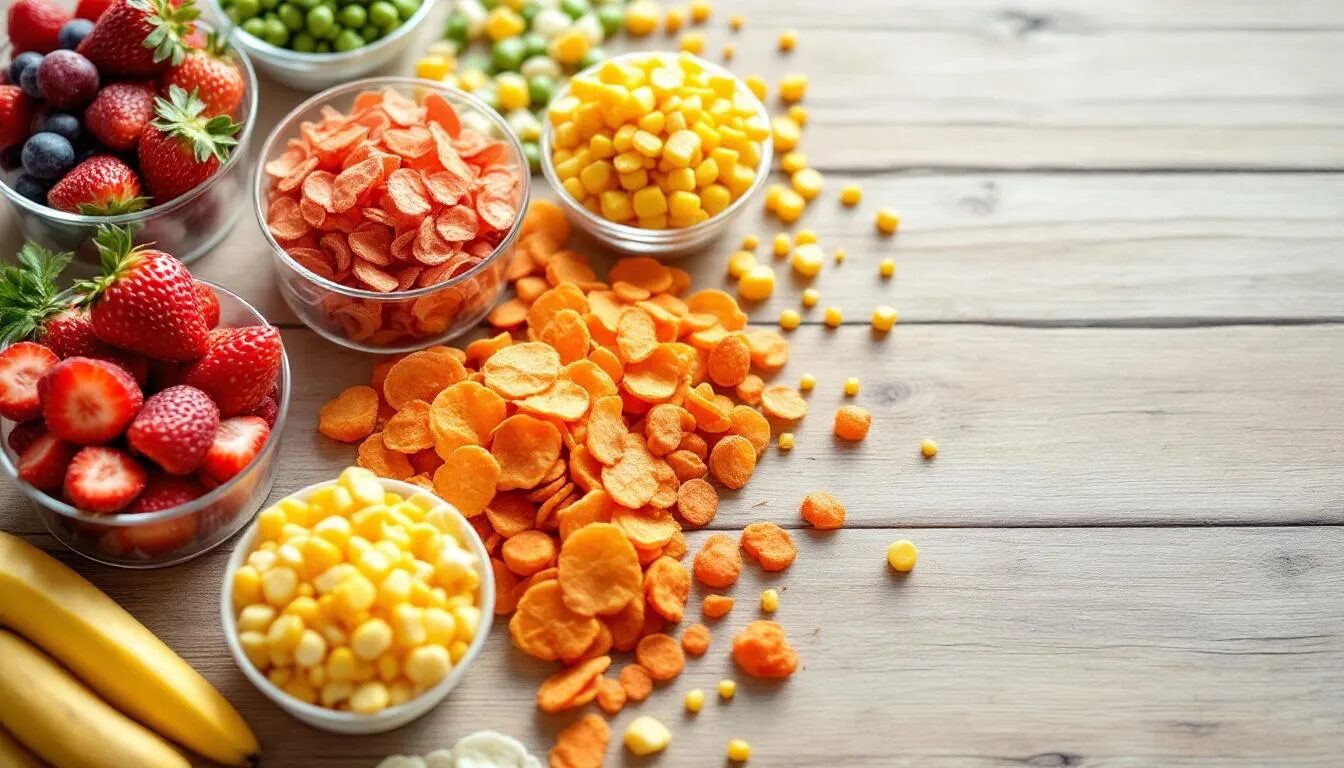
1. turn surplus into long-life ingredients
Leftover carrots, beets, pumpkins, apples or pears rarely come in perfect shapes and sizes. With the Xiros Mikro GEN2 you can:
- Cut them into pieces, freeze-dry them and use them as crunchy toppings or snack components
- Mill the dried product into powders for soups, sauces, bouillons, bakery or snack seasonings
- Blend different streams (for example carrot + pumpkin) into signature mixes
Instead of rushing to sell or process everything fresh, you park value in a dry, light, shelf-stable form that you can use all year.
2. save liquids, purées and semi-finished products
Not all waste is solid. Often the real loss sits in:
- Purées left over after production
- Test batches of sauces or soups
- Juices from pressing or cooking
Freeze-drying turns these into:
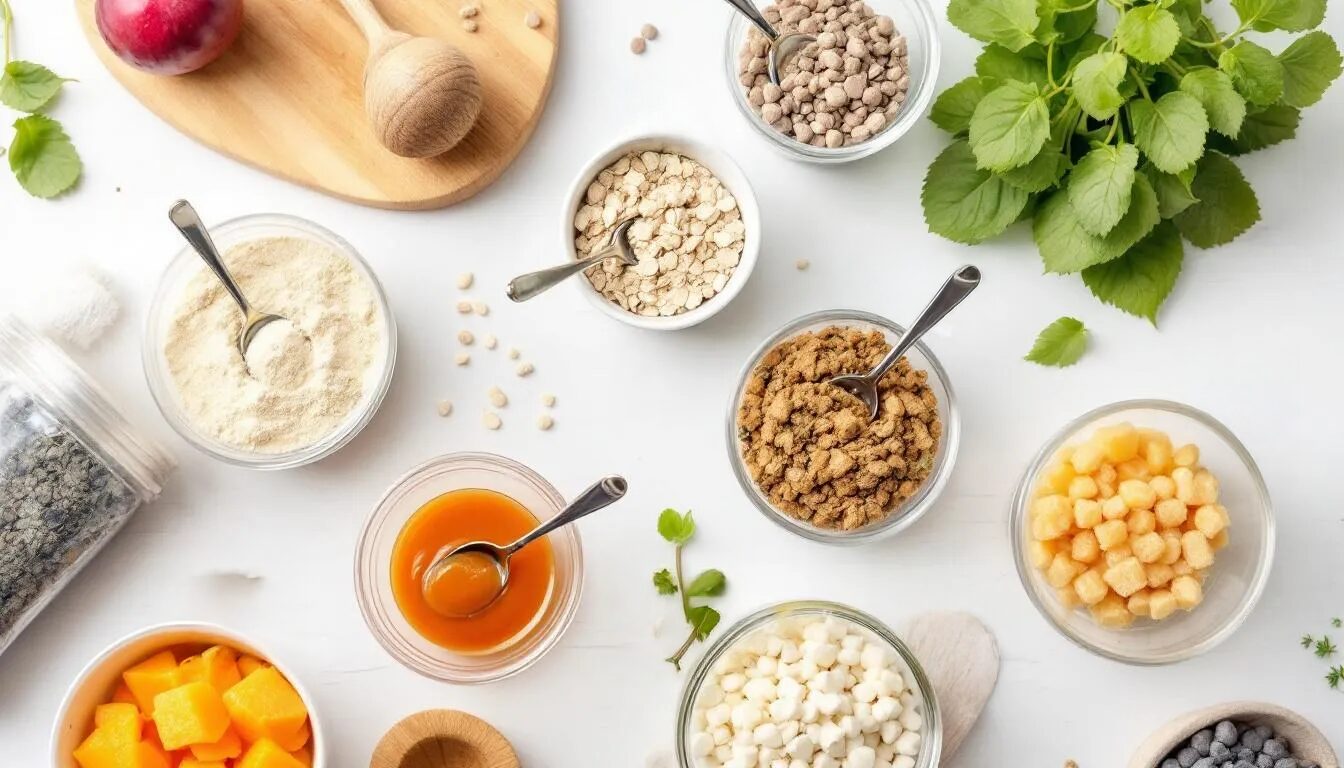
- Intense flavour powders
- Sheets that can be milled, crumbled or used as toppings
- Ready-to-use bases for future products
When you work with rescued crops or residual streams, no batch looks the same. One day you have irregular pieces of vegetables, the next day a fruit purée or herb paste. The Xiros Mikro GEN2 lets you adapt to this simply by switching shelf stacks. A 3-shelf setup gives you more height for larger cuts of vegetables or fruits, so you can dry “imperfect” pieces without having to trim them down again. The 9-shelf configuration is ideal for liquids and thin layers, such as purées, sauces or concentrated broths. You match the shelf stack to the product, reduce extra processing steps, and keep more of each harvest in the loop instead of losing it.
3. upgrade side streams into something new
Peels, trimmings and pomace are usually the first to be lost. With freeze-drying, they can become:
- Natural colourants from beet, carrot or berry residues
- Citrus or herb dusts for coatings and rubs
- Fibre-rich powders that improve texture in bakery, snacks or meat alternatives
Because the Xiros Mikro GEN2 works in batches, you can test these ideas on a small scale without risking large volumes. If a concept works, you repeat it. If it doesn’t, you adjust and try again.
4. pilot, learn, then scale up
For many circular food projects, the biggest risk is jumping straight from idea to large-scale investment.
The Xiros Mikro GEN2 gives you a middle step:
- Prototype products with real rescued streams
- Measure shelf life and quality in practice
- Build a portfolio of proven recipes and ingredients
If demand grows, you can add extra Xiros Mikro units and run them in parallel. You scale capacity without losing the flexibility to work with different crops, recipes and partners. Environmental considerations of freeze-drying food waste
Freeze-drying food waste offers a powerful solution to some of the most pressing environmental challenges associated with global food waste. With nearly a third of all food produced worldwide never reaching human consumption, the environmental impacts are staggering, wasted food means wasted water, energy, agricultural land, and other valuable resources, while decomposing food in landfills releases potent greenhouse gases that drive climate change.
By applying freeze drying to surplus food and food losses, we can dramatically extend shelf life and prevent large quantities of food from being wasted. This not only reduces the volume of food waste sent to landfills but also cuts down on the emissions generated throughout the food supply chain. Because freeze-dried foods are lightweight and stable, they require less energy for transportation and storage, further reducing environmental impacts and supporting more efficient supply chains.
Moreover, freeze-drying helps reduce food loss at every stage, from farm to fork. By stabilizing surplus fruits, vegetables, and other foods that might otherwise spoil, we can save food, reduce waste, and make better use of the resources invested in food production. This approach supports sustainable agriculture by easing the pressure on agricultural land and water, and it helps organizations and communities save money by reducing the costs associated with wasted food.
In short, freeze-drying food waste is not just about preventing waste, it’s about creating a more resource-efficient, environmentally responsible food system. By integrating freeze drying into food production and storage strategies, we can make meaningful progress toward reducing food waste, conserving resources, and building a more sustainable future for all the food we produce.
Why not jump straight to a big industrial line?
It is tempting to think: if we are serious about food waste, we need the biggest possible machine.
But for many organisations in this space, that is the wrong starting point.
Residual streams are:
- Seasonal
- Irregular
- Fragmented across many growers and regions
A large, inflexible line demands constant, uniform input and big, stable markets.
That is not how early-stage circular ventures usually look.
Starting with one or several Xiros Mikro GEN2 units instead lets you:
- Match capacity to what you can realistically collect and sell
- Build proof with real customers
- Keep experimenting with new recipes and formats
- Avoid locking capital into equipment that does not fit your future business model
When you do reach a point where an industrial line makes sense, you move into that phase with better knowledge, better products, and a clear case for investors.
Where the machine stops and the mission starts
Let’s be honest: a freeze dryer will not, by itself, halve food waste.
That takes what ‘Samen Tegen Voedselverspilling’ calls a “movement” of companies, public bodies and citizens working together across the whole chain.(Samen Tegen Voedselverspilling)
You still need:
- Grower partnerships
- Logistics that can handle irregular flows
- Clear product propositions
- Channels to market (retail, food service, direct to consumer)
Technology is one piece of the puzzle.
The Xiros Mikro GEN2 is designed to be a useful piece: precise, flexible, and compact enough to fit into the real world of pilots, co-ops and regional hubs. And could offer many small or midsize organisation a valuble multi tool to there portfolio of options.
Ready to explore what your “waste” can become?
If you are working with residual streams from horticulture grows or planning to start and you are looking for practical tools rather than shiny promises, we would like to talk.
At Holland Green Science, we bring science into the kitchen and the production floor to support the people doing the hard work: growers, makers, chefs, food waste warriors and circular entrepreneurs.
The Xiros Mikro GEN2 is our way of giving you more control over what your crops can become: powders, crisps, toppings, building blocks for entirely new products.
You bring the surplus and the ideas.
We bring the tools and the know-how.
And together, we can make sure a lot less good food goes to waste.